For students at The School at Springbrook, a day on the water is about much more than learning how to row. It is an opportunity to build confidence, develop independence, connect with others, and discover what they are capable of.
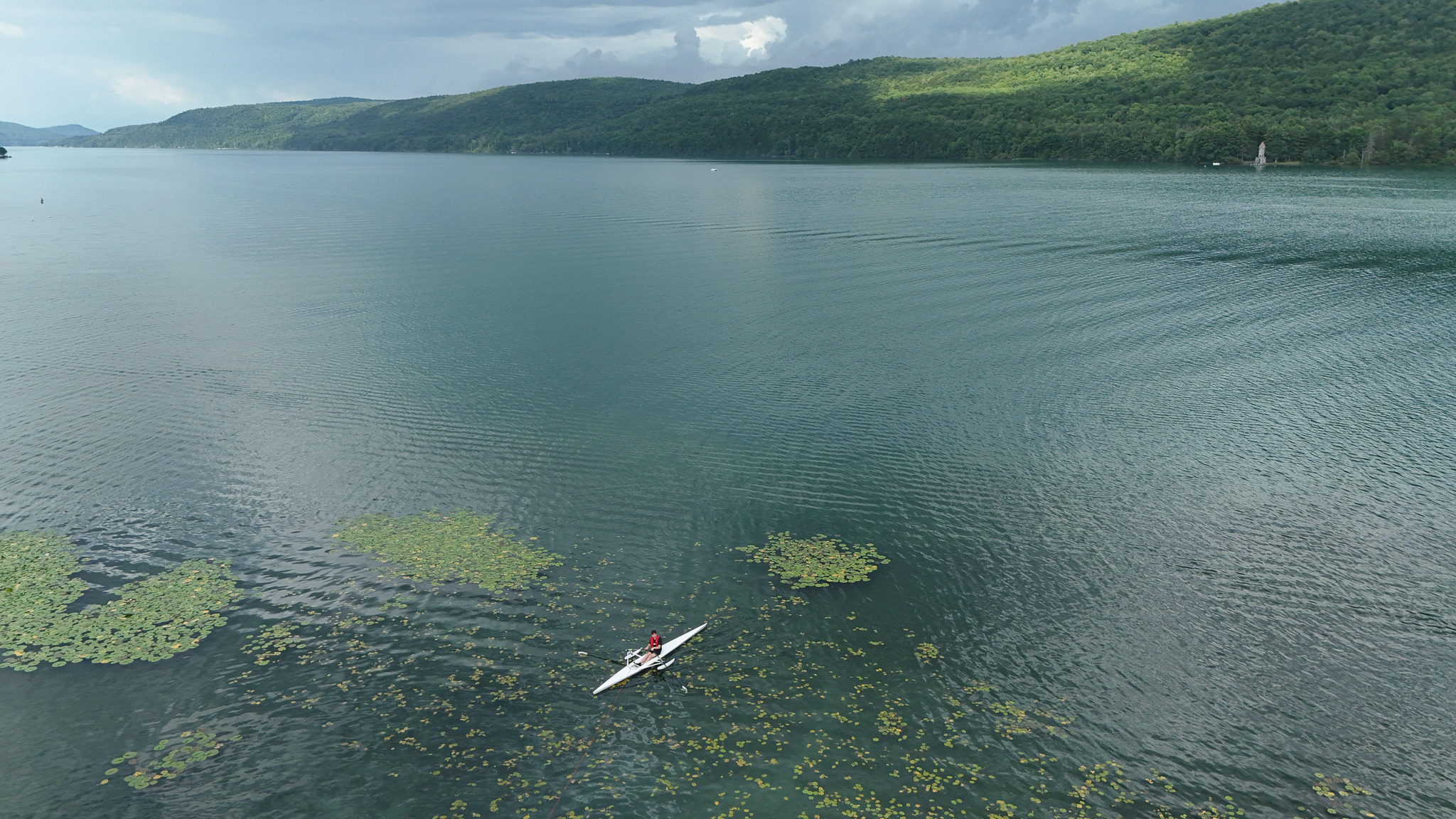
Throughout the summer, students travel to Brookwood Point Park in Cooperstown, where the calm waters of Otsego Lake provide the setting for a unique adaptive sports experience. Through a partnership with EDD Adaptive Sports and the Otsego Area Rowing Club (OAR), Springbrook students have been participating in adaptive rowing since last year, gaining skills both on and off the water.
Supported by Recreational Therapist Rachael Scoones and Recreational Therapy Assistant Kailee Young, students like Jack O’Brien and Patrick Campbell are encouraged to explore new opportunities, challenge themselves, and experience the freedom that comes with rowing independently across one of the region’s most scenic lakes.
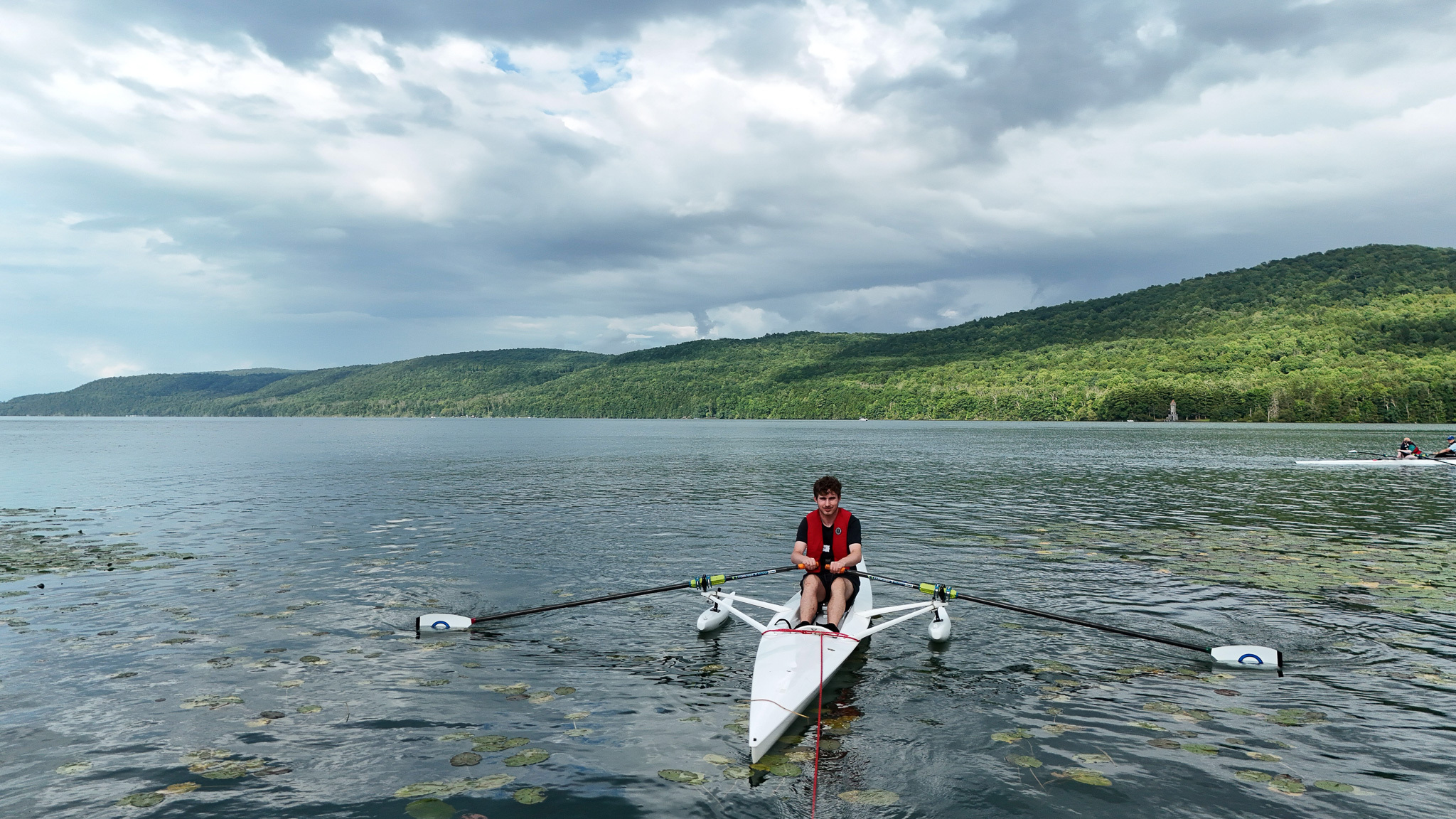
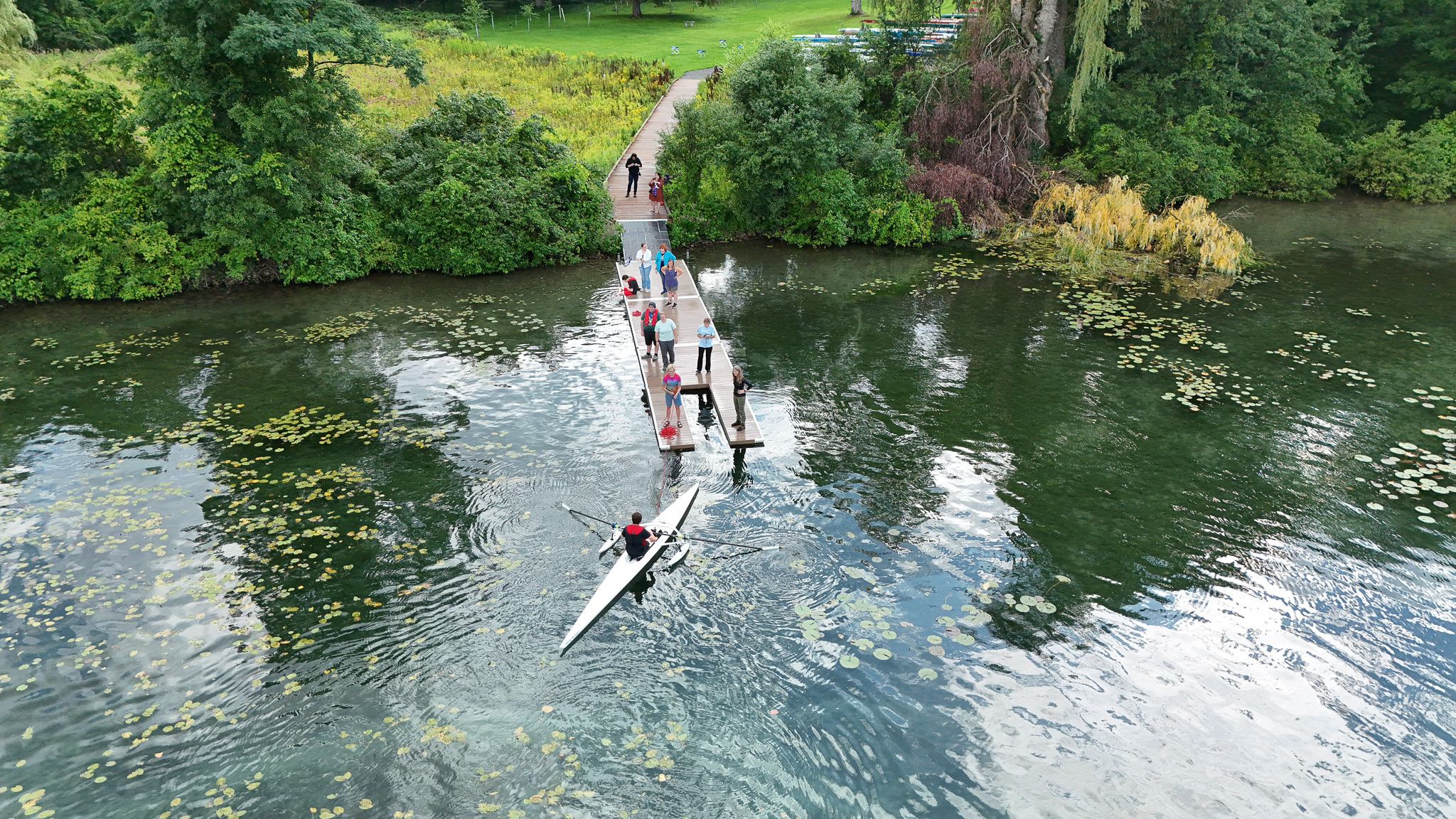
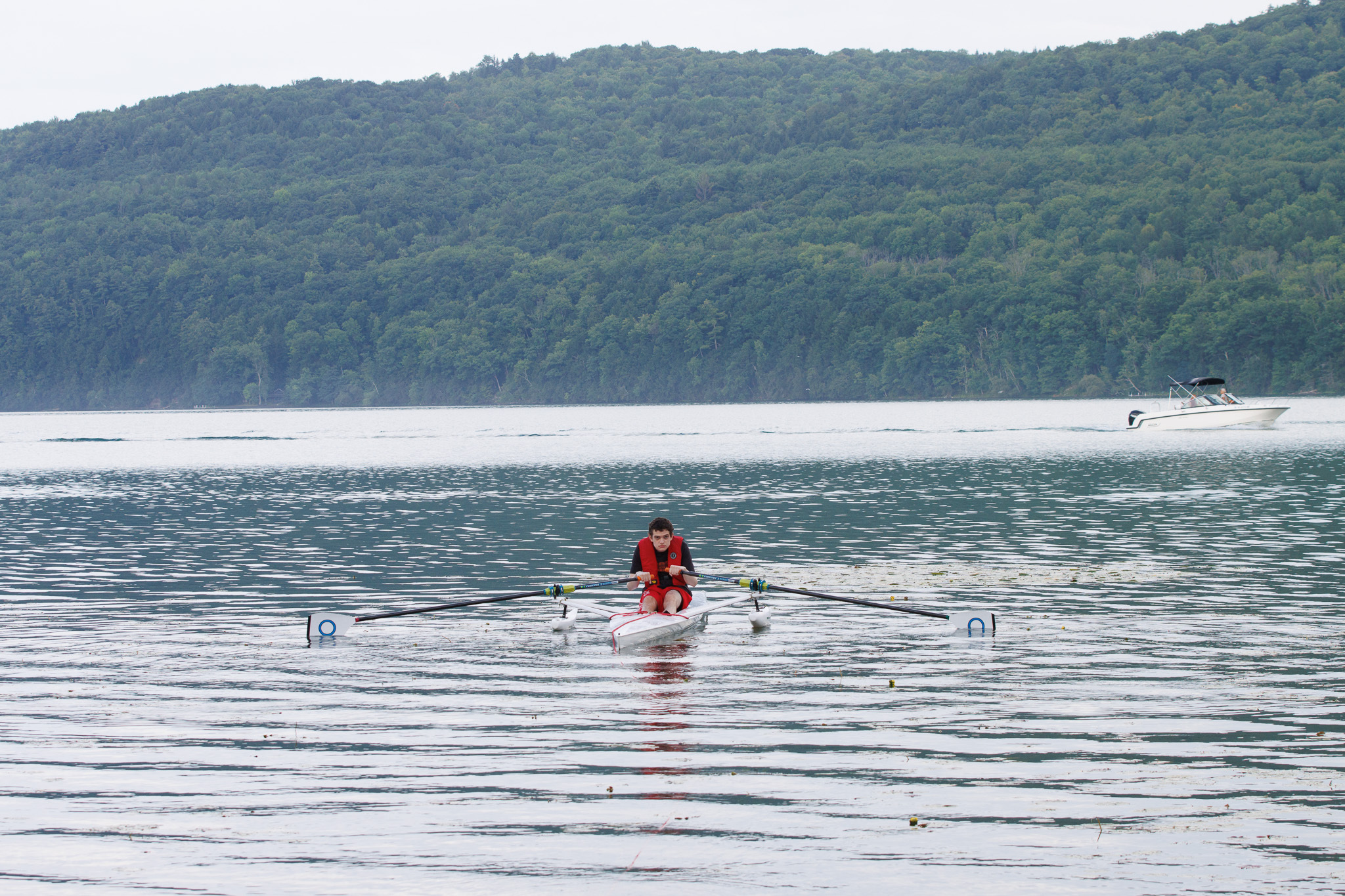
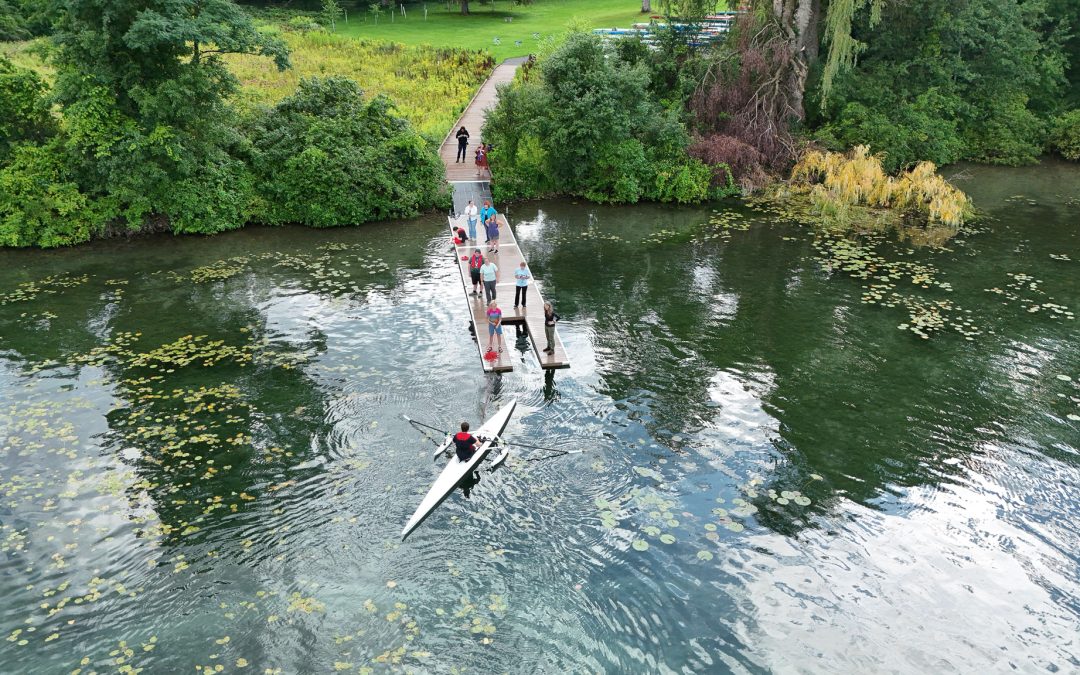
Adaptive rowing gives each participant the freedom to learn and participate in a way that works for them. The OAR volunteers provide their time, expertise, and equipment, including stable single rowing shells equipped with pontoons. A safety tether attached to the boat provides additional reassurance, allowing athletes to practice rowing independently while knowing they can be safely assisted back to the dock if needed.
For Jack, learning comes naturally through observation. Rachael describes him as a visual learner who has watched others and learned to turn his boat around on his own. Patrick has developed his rowing technique through repetition and practice, using the simple “knees, toes, and pull” method to learn the movements. Their progress may look different, but that is exactly what makes adaptive sports so meaningful.
“We adapt rowing instruction by giving athletes time, patience, and genuine choice in how they participate,” said Andrea Thies, who has helped lead the EDD Adaptive Sports partnership for nearly a decade.
Participation does not have to look the same for everyone. It might mean rowing independently, helping carry equipment, assisting a teammate at the dock, watching and cheering others on, practicing rowing terminology, or simply enjoying time together along the shoreline.
For OAR volunteer Laura Kilty, who has worked with EDD participants for five years, the most rewarding part has been watching athletes progress from session to session and year to year. She has seen growth in both skills and confidence, and believes adaptive sports can help participants develop strength and self-assurance.
“Rowing takes courage,” she explained. “Pushing off the dock gives you this moment of freedom, and it often leads to discovering you can handle more than you thought.”
Adaptive sports create a space where people with disabilities can challenge themselves, make choices, build relationships, and experience the joy of movement. Success isn’t defined by speed, strength, or perfect technique. It can be as simple as trying something new, showing up again, or realizing you can do something you weren’t sure you could do before.
The rowing program is made possible through a community of people and organizations committed to making adaptive recreation accessible.
EDD Adaptive Sports began offering programs in Central New York in 1998 in memory of Eric D. Dettenrieder. Today, the organization provides year-round adaptive sports programs at no cost to athletes with disabilities, adapting activities to meet participants’ individual abilities. The partnership with Otsego Area Rowing has grown over the years thanks to the leadership and dedication of countless volunteers, including Gretchen Owens, Laura Kilty, Laurie Neander, Julie Sorenson, and others who helped establish and sustain the program.
The Otsego Land Trust also plays an important role in the partnership by helping keep Brookwood Point accessible, welcoming, and beautiful for the community.
The program brings together Springbrook students, their families, and participants from surrounding programs, creating a welcoming environment where everyone has a role.
Laura would love to see even more people discover adaptive rowing. Andrea envisions a future where adaptive athletes are fully integrated into practices and races alongside their teammates, and where access to movement, wellness, and sport is recognized as something everyone deserves.
“My hope is that we continue building on what this community has already shown: that steady teamwork can propel more than boats, it can propel culture,” Andrea said.
Each time Jack and Patrick push away from the dock, take a stroke, help a teammate, or simply spend time together by the water, they are building something bigger than rowing skills such as building confidence and discovering independence.
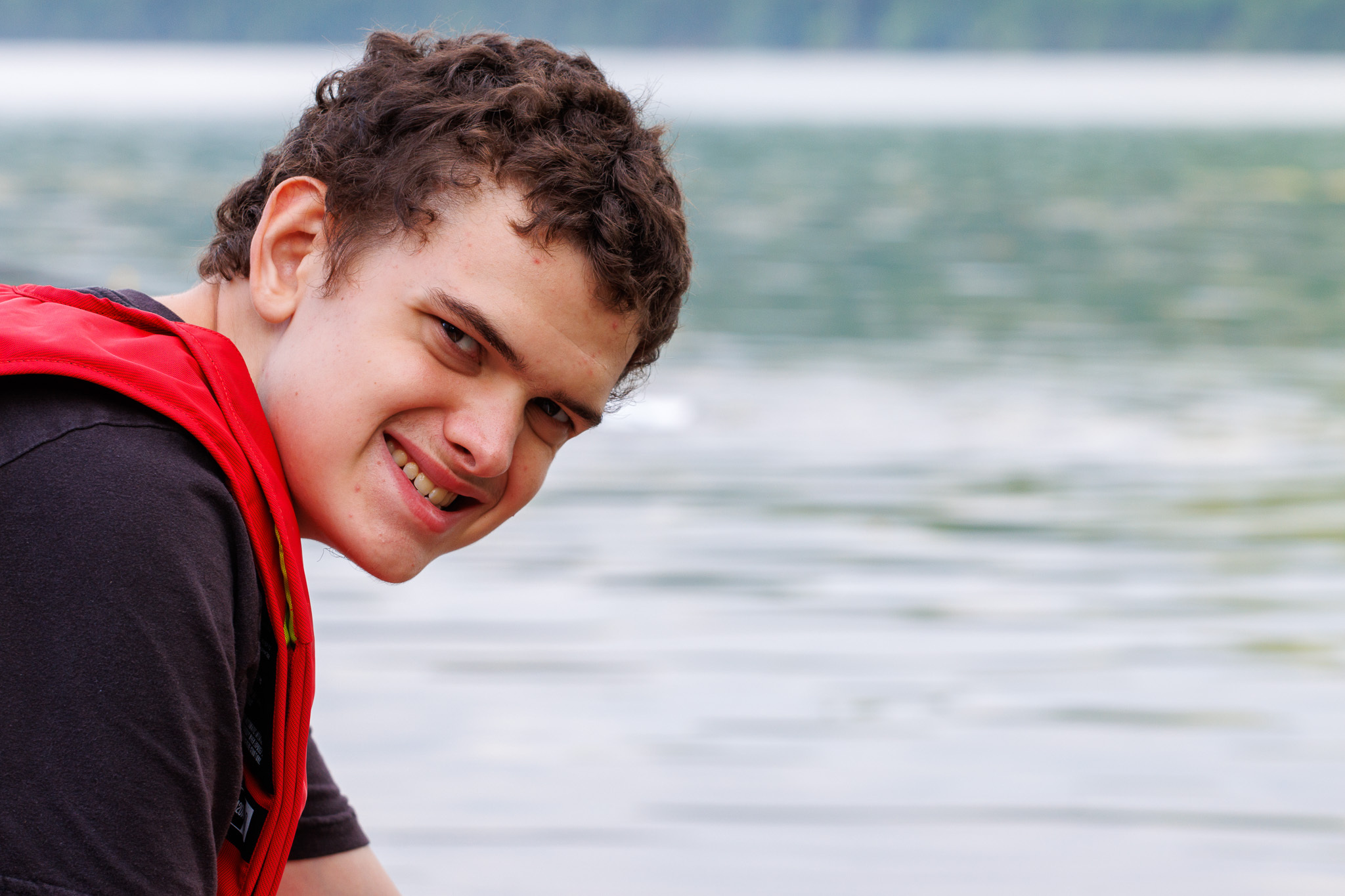
As Laurie Neander put it while reflecting on a photo of Patrick with a huge smile: “For me, this photo says it all—confidence, growth, participation, and joy.”